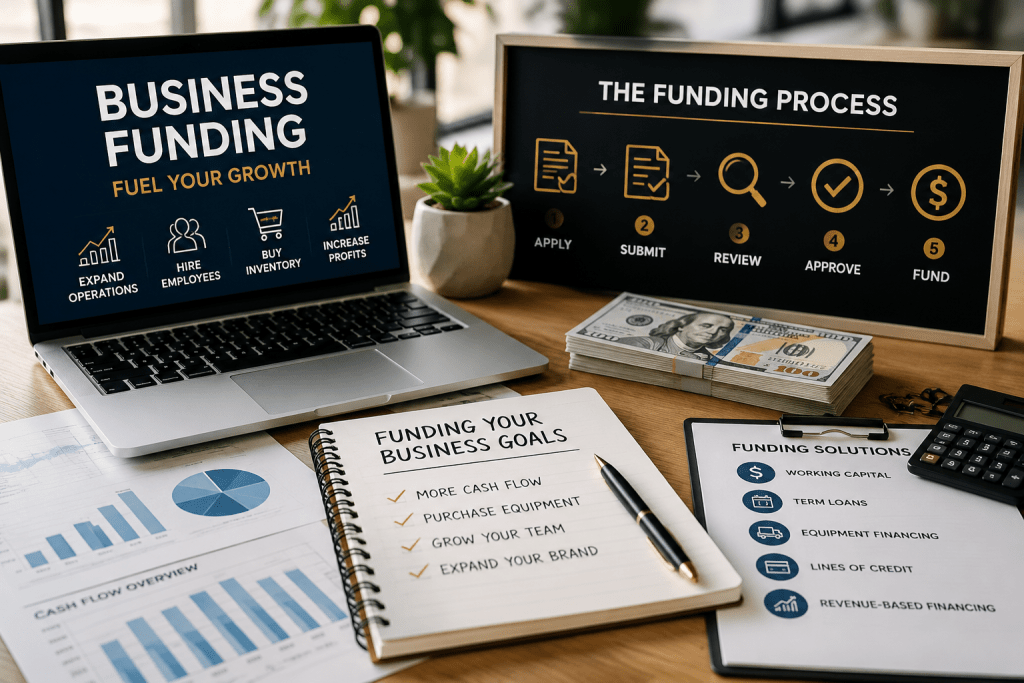

Startup budget planning begins with two lists: the costs to open and the costs to keep operating. Add realistic sales timing, a cash cushion based on your risks and the resources already available. The difference helps define your funding need.
Building a budget before applying makes the conversation more useful. It also helps you avoid borrowing for expenses that could be staged, reduced or postponed.
Startup budget planning: separate setup and ongoing costs
Setup costs may include equipment, initial inventory, deposits, website development and professional services. Recurring expenses may include rent, payroll, software, insurance and supplies. Your actual list depends on the business model.
The SBA’s business planning resources include startup-cost and break-even guidance. Use them to structure your thinking, then confirm costs with current quotes.
Create a budget with evidence
| Budget entry | Evidence to keep |
|---|---|
| Equipment and fit-out | Supplier quote and installation assumptions |
| Occupancy | Proposed terms and deposit requirements |
| People | Roles, hours and estimated total employment cost |
| Inventory | Unit costs, order size and delivery timing |
| Sales | Pricing, expected volume and payment timing |
Mark each entry as quoted, estimated or still unknown. Update unknown costs before making a commitment. A precise-looking spreadsheet is only useful when its assumptions are credible.
Estimate when cash arrives
A signed order is not always immediate cash. Consider deposits, customer payment terms, card processing and refunds. For a service business, include time spent delivering work before invoicing. For a retailer, account for stock purchased before sales.
Build a slower-launch version. If opening is delayed or early sales are lower, fixed bills may still be due. Show how you would respond by staging purchases or revising spending.
Calculate the funding gap
Add setup spending and the operating cash needed before reliable receipts. Subtract resources that are actually available. Do not count an unapproved loan, an unconfirmed investor or projected sales as cash already in hand.
For illustration, $18,000 of setup spending plus $12,000 of planned operating cash equals $30,000. If $10,000 is available, the initial gap is $20,000 before additional contingencies. These figures illustrate the method and are not a recommended budget.
Match the funding path to the stage
New businesses may have fewer historical records than established firms. Providers may review the plan, owner profile, available collateral and other factors. Requirements differ. Read our startup funding guide before comparing options.
Keep personal living costs visible in your own planning, but separate them from the business budget. Ask an accountant to help with business structure, recordkeeping and tax assumptions.
Test a slower launch before committing
Create a second budget in which the opening date moves back and sales build more slowly. Keep expenses that would still be due, such as deposits, insurance and software charges. This shows how much cash the business may need before receipts catch up.
For example, a service business may finish setting up in one month but wait longer for its first customers to pay. The budget should reflect collection dates, not just the date an invoice is sent. A profitable sale does not provide spendable cash until payment arrives.
Mark each cost as essential, deferrable or optional. If the slower case leaves a large gap, revisit the launch scope before seeking a larger amount. Startup budget planning can help you choose a smaller first step that is easier to support.
Keep the assumptions with the budget so an adviser can understand the numbers. Review the SBA planning resources for a broader planning framework.
Give startup budget planning a decision deadline
Mark each budget item as confirmed, estimated or optional. Set a date to replace estimates with quotes. If costs rise, decide whether to reduce scope, delay the launch or seek a different funding mix. A smaller launch that can be supported may be more practical than a larger plan built on uncertain receipts.
For the next step, review startup funding choices and prepare supporting business records.
Frequently asked questions
How much cash cushion should a startup keep?
There is no universal amount. Base the plan on payment timing, fixed expenses, uncertainty and the consequences of delays.
Can I start with estimates?
Yes. Label them clearly and replace major estimates with quotes before committing.
Does a business plan guarantee funding?
No. A plan supports review, while approval depends on the provider’s criteria.
Turn the budget into a clear request
Explore business funding services or book a discussion with Scrumptious Enterprises. This is general education, not a funding commitment.