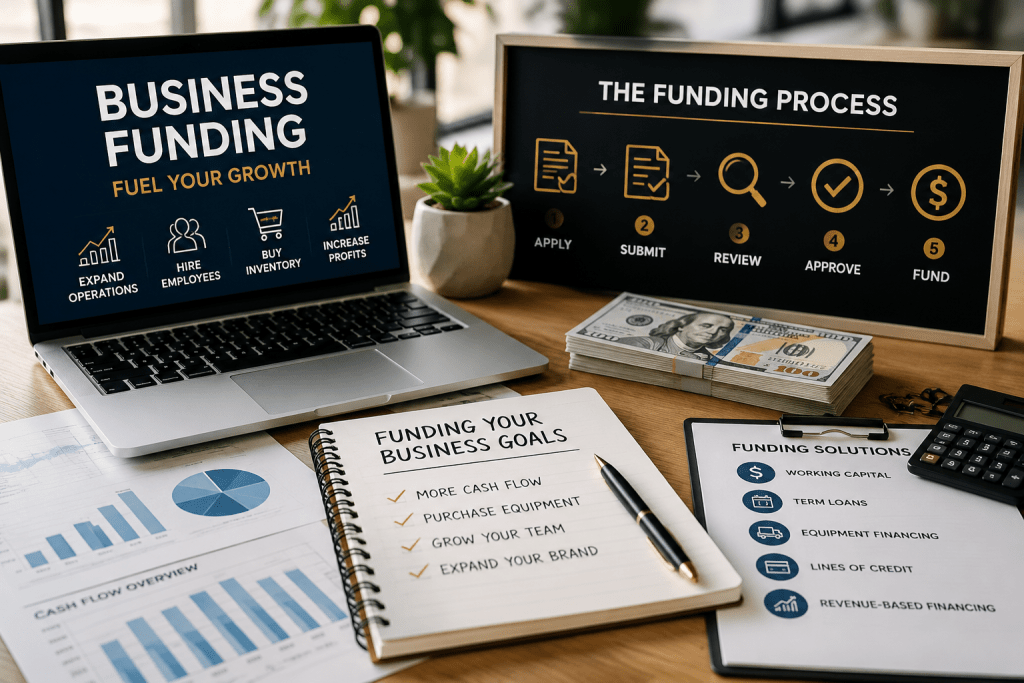
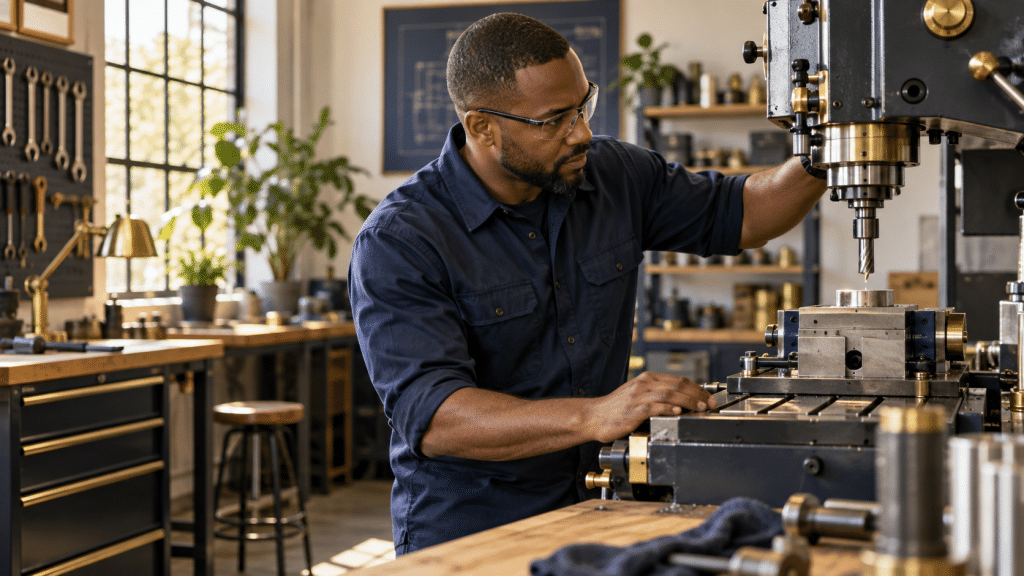
An equipment purchase checklist should cover the full cost of putting an asset to work. Include delivery, installation, training, maintenance and downtime as well as the purchase price and financing payments. The right decision depends on the job the equipment must do and the cash your business can support.
A low advertised price can hide expensive setup requirements. Before seeking funding, build a practical budget and compare it with the problem you want to solve.
Equipment purchase checklist: define the business need
Write down the current constraint. Is unreliable equipment causing missed orders? Is a machine too slow for confirmed demand? Is replacement necessary for safe, dependable operations? Separate a necessary replacement from an optional expansion.
Use measurable assumptions. Estimate the hours saved or capacity added, then explain how those hours will create value. Extra capacity only helps revenue when customers actually buy the additional output.
Request an itemized quote
| Cost group | What to check |
|---|---|
| Equipment | Model, condition, included accessories and warranty |
| Setup | Freight, installation, site preparation and testing |
| Operations | Training, supplies, software and maintenance |
| Transition | Downtime, rental backup and removal of old equipment |
| Financing | Down payment, fees, payment schedule and final obligations |
Check the operating fit
Confirm power, space, ventilation, connectivity and staffing needs with the supplier and relevant specialists. Ask who handles installation and when the warranty starts. Keep written answers with the quote.
For used equipment, ask about service history, parts availability and inspection options. A lower purchase price may be offset by repairs or lost production. Do not assume financing approval verifies the machine’s condition.
Compare buying, financing and leasing
Cash purchase, financing and leasing affect cash and ownership differently. Review our equipment financing versus leasing guide for the core tradeoffs.
Ask about ownership at the end of the agreement, return conditions, purchase options and any final payment. Confirm who is responsible for maintenance and insurance. Discuss tax treatment with your accountant rather than assuming a deduction makes the purchase affordable.
Test the payment before committing
Add the proposed payment and operating costs to your cash forecast. Use a conservative start date for productive use. Delivery or training delays can mean payments begin before the equipment contributes to sales.
For illustration, a machine expected to save $800 a month is not automatically affordable with a $700 payment. Consumables, maintenance and slower-than-expected adoption can change the result. Treat savings as estimates and document how you calculated them.
Compare two quotes on the same basis
Ask each supplier to quote the same specification and list what is included. A lower price may exclude delivery, setup or training. Put those missing items into your budget before deciding which quote is cheaper.
For example, a replacement machine may require a new electrical connection and a day of staff training. Those costs may arrive before the machine earns revenue. Include the time needed to remove old equipment and the cost of any temporary workaround.
Use the equipment purchase checklist to separate required costs from optional upgrades. Give each item a source, date and owner. If the quote has an expiry date, ask whether pricing or availability could change after it expires.
Finally, compare the expected useful life with the proposed repayment period. Plan for repairs and downtime as well as purchase costs. For a general business budgeting framework, see the SBA business planning resources.
Use the equipment purchase checklist after delivery
Keep the final invoice, installation record and warranty information together. Compare actual setup costs with the budget and record any delay. Confirm that the machine meets the agreed requirements before treating the project as complete. Update the cash forecast if productive use starts later than planned.
For the next step, compare financing and leasing and review the payment timeline.
Frequently asked questions
Can installation be included in financing?
Some products may cover related costs, but provider rules differ. Ask for an itemized explanation of eligible expenses.
Is a shorter agreement always better?
No. Compare total cost, payment pressure and expected useful life. Avoid choosing solely by term length.
What should I bring to a funding discussion?
Bring the quote, your full project budget, current financial records and a repayment plan.
Plan the complete purchase
Explore business funding services or talk with Scrumptious Enterprises, a veteran-owned company serving owners nationwide. Information is educational; approval and terms depend on underwriting.