Whether you’re opening a restaurant, upgrading construction equipment, expanding your medical practice, or replacing aging technology, acquiring equipment is one of the biggest investments your business will make.
The question isn’t simply whether you need new equipment—it’s how you should pay for it.
Should you finance the purchase and build equity, or lease the equipment to preserve cash flow?
The right answer depends on your business goals, tax strategy, cash flow, and long-term plans.
At Scrumptious Enterprises LLC, we help business owners compare financing options and secure funding that supports sustainable growth. Whether you’re exploring Business Funding, Working Capital, or Equipment Financing, understanding the differences can save thousands of dollars over the life of your investment.
Equipment Financing Explained
Equipment financing is a business loan used specifically to purchase equipment.
Rather than paying the full purchase price upfront, you borrow the money and repay it over time through fixed monthly payments.
Once the loan is paid off, your business owns the equipment outright.
Common purchases include:
- Construction equipment
- Commercial vehicles
- Restaurant equipment
- Medical equipment
- Manufacturing machinery
- Fitness equipment
- Office furniture
- Computer systems
- Software infrastructure
- Agricultural equipment
The equipment itself often serves as collateral, which may make approval easier than traditional unsecured business loans.
What Is Equipment Leasing?
Equipment leasing allows your business to use equipment for a fixed period without purchasing it.
Instead of ownership, you make monthly lease payments.
At the end of the lease you may:
- Return the equipment
- Upgrade to newer equipment
- Renew the lease
- Purchase the equipment (depending on lease terms)
Leasing is especially popular for industries where technology changes quickly.
Examples include:
- Computers
- Medical technology
- Printing equipment
- Security systems
- POS systems
- Telecommunications
Equipment Financing vs. Leasing
| Equipment Financing | Equipment Leasing |
|---|---|
| You own the equipment | Leasing company owns equipment |
| Builds business equity | Lower upfront costs |
| Ideal for long-term use | Easier upgrades |
| Fixed payments | Flexible lease structures |
| May qualify for tax deductions | Often includes maintenance options |
| Better long-term value | Lower monthly payments in many cases |
When Equipment Financing Makes More Sense
Financing is often the better choice if:
- You’ll use the equipment for many years.
- The equipment retains value.
- You want to build business assets.
- Monthly payments comfortably fit your budget.
- You prefer long-term savings over short-term flexibility.
Examples include:
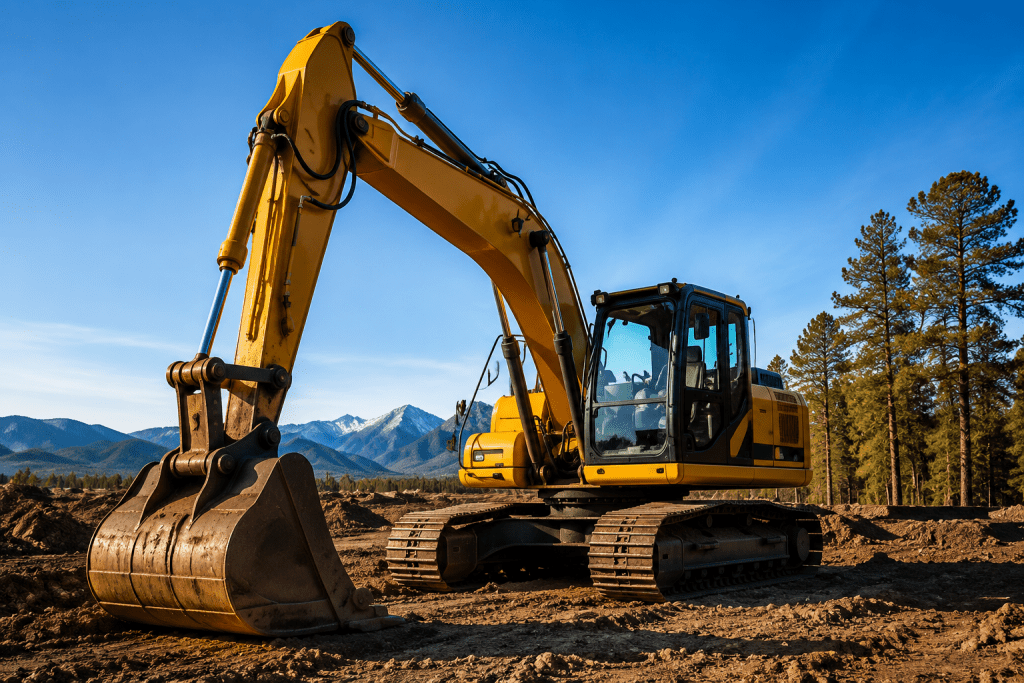
- Excavators
- Forklifts
- Commercial ovens
- Heavy trucks
- Manufacturing equipment
- Agricultural machinery
Businesses that rely heavily on production often benefit from owning these assets outright.
When Leasing Is the Better Option
Leasing may be ideal if:
- Technology changes rapidly.
- You want lower upfront costs.
- Cash flow is your highest priority.
- You frequently upgrade equipment.
- You want predictable operating expenses.
Common examples include:
- Laptops
- Servers
- Medical imaging equipment
- Office copiers
- Phone systems
- Digital signage
Leasing helps preserve working capital while keeping equipment current.
Cost Considerations
Many business owners focus only on the monthly payment.
Instead, compare:
- Total lifetime cost
- Interest expense
- Maintenance costs
- Residual value
- Upgrade frequency
- Tax implications
- Opportunity cost
Sometimes financing costs more each month but saves significantly over several years because your business owns a valuable asset.
Tax Benefits
Tax treatment varies depending on your financing structure.
Many financed purchases may qualify for depreciation deductions, while lease payments are often deductible as ordinary business expenses.
Because tax rules—including depreciation limits and Section 179 expensing—can change, consult your CPA or tax advisor to determine which approach best fits your business.
Industries That Commonly Use Equipment Financing
Equipment financing supports businesses across nearly every industry, including:
- Construction
- Transportation
- Logistics
- Manufacturing
- Landscaping
- Restaurants
- Medical practices
- Dental offices
- Auto repair shops
- Fitness centers
- Agriculture
- Retail businesses
If equipment generates revenue for your business, financing may help you acquire it without significantly reducing available cash.
What Do Lenders Look For?
Approval depends on multiple factors, including:
- Time in business
- Monthly revenue
- Cash flow
- Existing debt obligations
- Industry
- Credit profile
- Equipment value
Many alternative lenders evaluate the overall financial health of your business rather than relying solely on your credit score.
Can Startups Finance Equipment?
Yes.
Startup businesses may qualify for equipment financing depending on:
- Down payment
- Personal credit
- Business plan
- Revenue projections
- Industry
- Equipment type
Because the equipment often serves as collateral, financing can sometimes be more accessible than unsecured business loans.
Financing Through Scrumptious Enterprises LLC
Every business has different goals.
Some prioritize preserving cash flow.
Others want to build long-term assets.
Our advisors help business owners compare financing options and identify solutions tailored to their needs.
We can assist with funding for:
- Commercial vehicles
- Restaurant equipment
- Construction machinery
- Medical equipment
- Office technology
- Manufacturing equipment
- Heavy equipment
- Business expansion
If you’re not ready for equipment financing, our Working Capital solutions can provide flexible access to capital for inventory, payroll, marketing, or day-to-day operations.
Businesses looking to strengthen their financing profile may also benefit from our Business Credit Building and Credit Repair services before applying for larger financing opportunities.
Frequently Asked Questions
Is equipment financing easier to qualify for than a business loan?
In many cases, yes. Because the equipment often serves as collateral, lenders may view equipment financing as lower risk than unsecured business loans.
Is leasing cheaper than financing?
Not always. Leasing often offers lower monthly payments, but financing may cost less over the long term if you plan to keep the equipment for many years.
Can I finance used equipment?
Yes. Many lenders finance both new and used equipment, although eligibility may depend on the equipment’s age, condition, and value.
Does equipment financing require perfect credit?
No. Many lenders evaluate revenue, cash flow, time in business, and the value of the equipment in addition to your credit history.
Ready to Upgrade Your Business?
Whether you’re purchasing your first commercial vehicle, upgrading restaurant equipment, or investing in machinery that will increase productivity, choosing the right financing strategy can make a significant difference.
At Scrumptious Enterprises LLC, we help business owners compare financing solutions, understand their options, and secure funding that supports long-term success.
Explore related resources:
- Business Funding
- Working Capital
- Business Credit Building
- Credit Repair
- Funding Calculator
- Contact Us for a free funding consultation.